Essentials of Flats Fly Fishing for Redfish, Tarpon, and Bonefish (Complete Guide)
By Fly Cast Charters
👉 https://www.flycastcharters.com
Flats fly fishing offers some of the most technical and visually rewarding angling in saltwater fishing. Success depends on stealth, presentation, and reading fish in shallow, clear water. This guide is written specifically for fly anglers looking to improve their shot conversion on redfish, tarpon, and bonefish.
Whether you’re targeting tailing redfish, laid‑up tarpon, or cruising bonefish, mastering these fundamentals will dramatically improve your success.
Flats Fly Fishing Essentials at a Glance

Polarized sunglasses
Stealthy approach
Accurate cast and proper lead
Sun and wind positioning
Correct fly leaders and tippet
Smooth drag and sufficient backing
What Is Flats Fly Fishing?
Flats are shallow coastal zones—often 6 inches to 3 feet deep—consisting of sand, turtle grass, or mud bottom. These waters force fish to rely heavily on vision, making fly presentation and entry critical.
Tides control everything. Rising water opens feeding zones, while falling water concentrates fish along edges, potholes, and channels.
Stealth and Positioning on the Flats:
Wading anglers should move slowly with deliberate steps and frequent pauses.
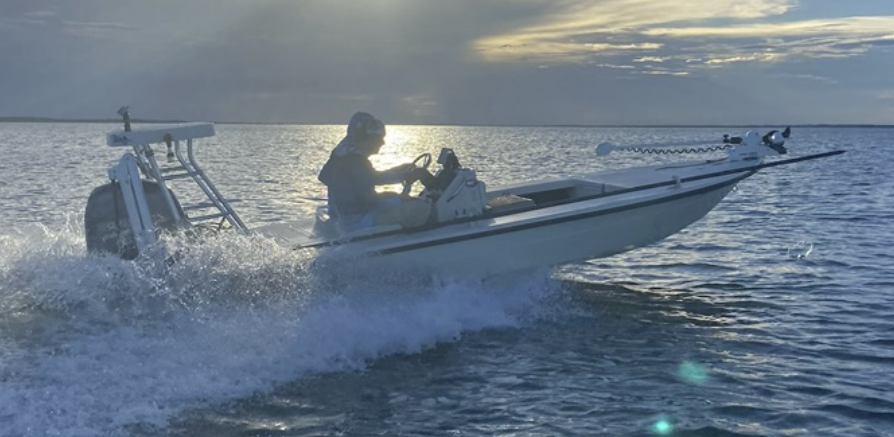
Skiff anglers should minimize noise, organize fly line carefully, and rely on the push pole.
 Essential Fly Fishing Gear for the Flats
 Essential Fly Fishing Gear for the Flats
Fly Rods and Reels
- Redfish & Bonefish: 7–9 wt fly rod (8 wt ideal)
- Tarpon: 10–12 wt fly rod
- Large‑arbor saltwater fly reel
- Sealed drag and ample backing
Floating fly lines are standard for most flats situations.
Leaders, Tippet, and Shock
Bonefish leaders typically range from 9–15 feet.
Redfish leaders are often shorter and stronger near structure.
Tarpon require heavy shock tippet due to abrasive mouths.
The Flats Fly‑Fishing Shot Sequence
- Spot the fish
- Determine direction and speed
- Lead the fish more than you think is necessary.
- One clean cast then follow-up shots
- Begin retrieve-feed the fish
- Strip‑set firmly
- Clear line to the reel
- Fight with side pressure
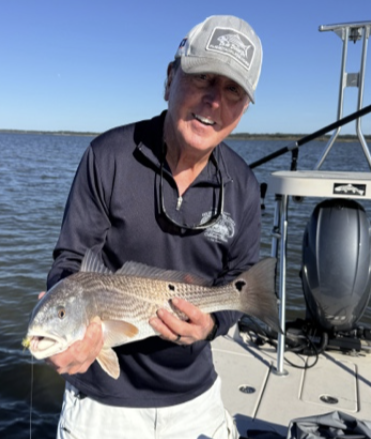
 Redfish Fly Fishing Tips
 Redfish Fly Fishing Tips
- Lead tailing fish 1–2 feet
- Lead cruisers 4–8 feet
- Pause after landing crab or shrimp flies
- Expect — and use — second shots
Bonefish Fly Fishing Tips
- Longer leaders in calm conditions
- More lead than expected
- Watch the fish, not the fly
- Maintain stripping pressure
Tarpon Fly Fishing Tips
- Quartering shots work best
- Generous lead is critical
- Strip‑set hard
- Drop the rod during jumps
Final Thoughts
Flats fly fishing rewards preparation, patience, and precision. Focus on clean presentations, proper angles, and fly control, and your success will follow.
👉 Book your guided red fish flats fly fishing trip:
https://www.flycastcharters.com. For more great information about flats fly fishing look at: Tips and Techniques and Capt.’s Musings
Recent Comments